

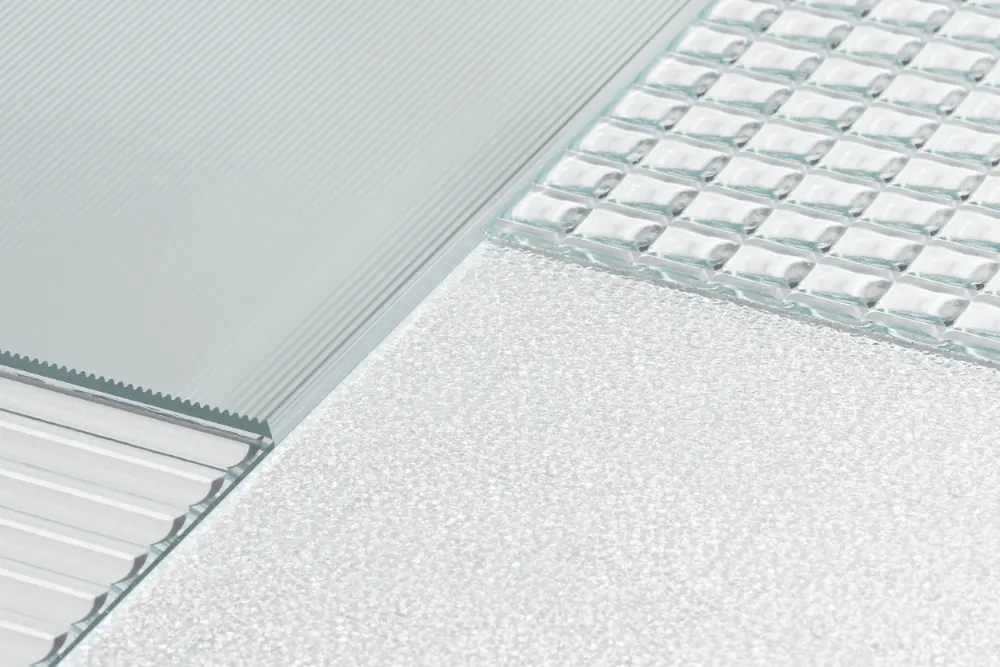
Eco-friendly materials are gaining prominence as industries strive to reduce their environmental impact. Among these, Corrugated Plastics have emerged as a versatile and sustainable option. This article explores their rise, unique properties, and diverse applications across multiple sectors.
Introduction to Corrugated Plastics
Corrugated Plastics are lightweight, eco-friendly materials designed with a hollow structure that provides strength and durability while minimizing weight. Made from materials like recycled plastics, wood composites, or other sustainable resources, Corrugated Plastics have gained traction for their environmental and functional benefits.
Their evolution traces back to innovations in material science aimed at creating alternatives to traditional solid boards. Today, Corrugated Plastics are celebrated for their adaptability and eco-conscious production processes.
Why Eco-Friendly Materials Matter
The environmental challenges posed by conventional materials, such as deforestation and plastic pollution, have accelerated the demand for sustainable alternatives. Corrugated Plastics address these concerns by utilizing recycled materials and offering long-lasting performance, reducing the need for frequent replacements.
Eco-friendly materials like Corrugated Plastics contribute to:
- Material Preparation: Sorting and cleaning recycled inputs.
- Extrusion: Melting and forming the materials into hollow profiles.
- Finishing: Cutting, polishing, and quality checks.
- This efficient process ensures minimal waste and energy consumption, aligning with sustainable manufacturing goals.
Unique Properties of Corrugated Plastics
- Lightweight yet strong: The hollow design reduces weight without compromising structural integrity.
- Thermal and acoustic insulation: Ideal for applications requiring energy efficiency or noise reduction.
- Weather and chemical resistance: Suitable for outdoor and industrial uses.
- These properties make Corrugated Plastics a superior alternative to traditional materials in various sectors.
Applications in Construction
- Decking: Offering a durable, slip-resistant surface.
- Paneling: Providing aesthetic appeal and insulation.
- Wall Cladding: Ensuring weather resistance and energy efficiency.
- Compared to solid boards, Corrugated Plastics are easier to install, require less maintenance, and are more cost-effective in the long run.
Applications in Furniture Industry
- Lightweight tables and chairs.
- Modular storage solutions.
- Eco-friendly office furniture.
- Their adaptability allows for creative designs while maintaining sustainability and durability.
Applications in Packaging
- Durability: Protecting goods during transport.
- Lightweight nature: Reducing shipping costs.
- Recyclability: Supporting sustainable supply chains.
- They are increasingly replacing traditional materials like corrugated cardboard and solid plastics.
Applications in Automotive Industry
- Interior paneling: Offering lightweight and stylish solutions.
- Structural components: Reducing vehicle weight for better fuel efficiency.
- Their strength and resistance to wear make them a valuable addition to modern vehicle design.
Applications in Marine Industry
Corrugated Plastics are ideal for marine applications due to their:
- Moisture resistance: Preventing rot and decay.
- Durability: Withstanding harsh marine environments.
- Common uses include boat decking and dock construction.
Cost-Effectiveness of Corrugated Plastics
Although the initial cost of Corrugated Plastics may be higher than traditional materials, their long-term benefits include:
- Reduced maintenance expenses.
- Extended lifespan.
- Energy savings in applications requiring insulation.
- Market trends indicate increasing affordability as production scales up.
Reduced maintenance expenses.
Environmental Benefits
- Utilizing recycled materials, reducing waste.
- Lowering energy consumption during production.
- Encouraging circular economies through recyclability.
- Their adoption aligns with global goals for reducing environmental impact.
Challenges in Adoption
Despite their benefits, Corrugated Plastics face challenges such as:
- Perceptions of fragility: Addressed through education and demonstration of strength.
- Higher upfront costs: Mitigated by emphasizing long-term savings.
- Efforts to raise awareness and improve affordability are key to wider adoption.
Future Innovations in Corrugated Plastics
- Integration with smart materials: For enhanced functionality.
- Use of bio-based inputs: To further reduce environmental impact.
- Research and development are unlocking new possibilities for Corrugated Plastics.
Market Trends and Growth Prospects
The global Corrugated Plastics market is projected to grow significantly, driven by:
- Rising demand in construction, automotive, and packaging industries.
- Government incentives for sustainable materials.
- Innovations that enhance performance and reduce costs.
- Key regions leading adoption include North America, Europe, and Asia-Pacific.
Conclusion and Call to Action
Corrugated Plastics represent a promising solution for industries seeking sustainable and versatile materials. Their unique properties and applications make them a valuable asset in the transition to eco-friendly practices.
