

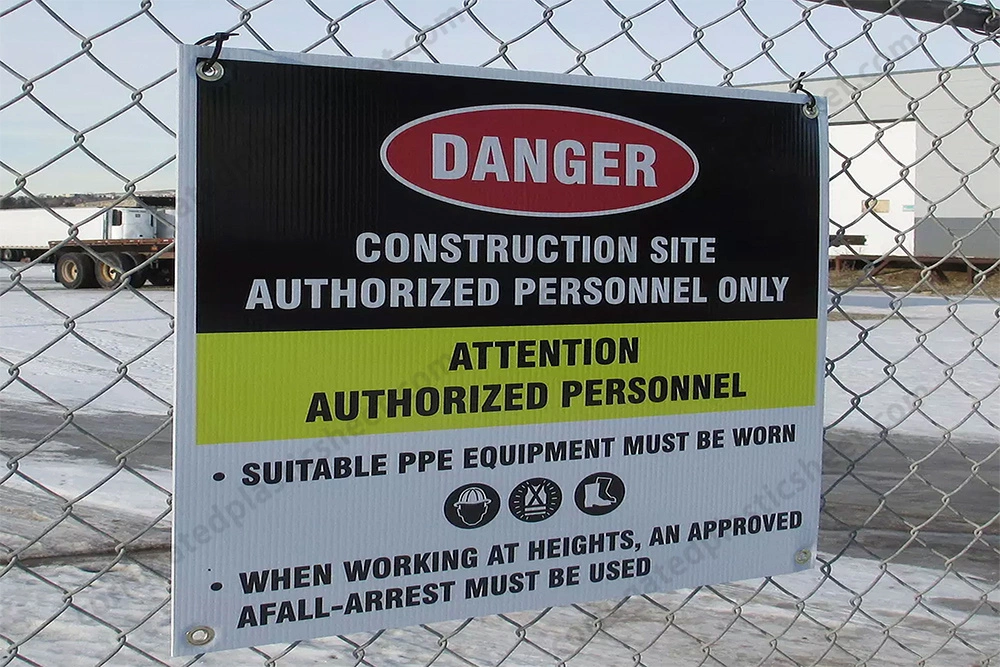
Have you ever noticed how some materials seem to perform perfectly in all kinds of situations? From outdoor signs that survive storms to lightweight yet sturdy packaging, this versatile material is often the unsung hero. But what exactly is it, and why is it becoming so popular across industries? Let’s dive into its unique properties and wide range of uses.
What Is Corrugated Plastic?
Other Names You Might Know
This material goes by many names depending on the industry or region. Here are some of the most common ones:
1.Coroplast®:A well-known brand name often used interchangeably. This is a typical case of genericization, where a brand name evolves into a common term for a type of product.
2.Plastic cardboard: Highlights its similarity to cardboard while emphasizing its plastic composition.
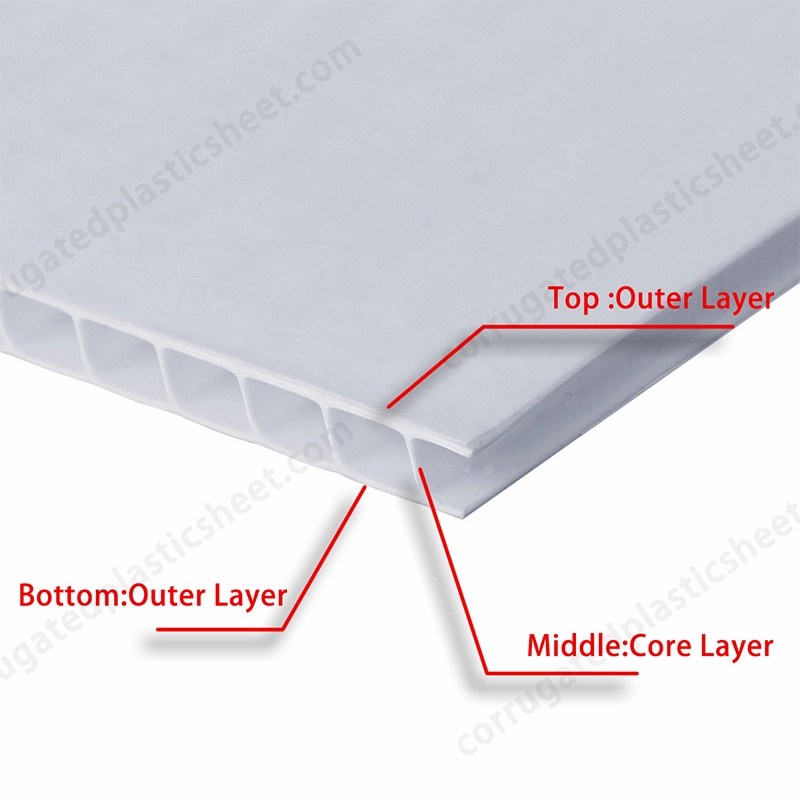
3.Fluted polypropylene: A technical term referring to its fluted core and polypropylene material.
4.Twin-wall plastic: Describes its dual-layer construction with a hollow core.
5.Polypropylene board: Another technical term specifying its material type.
Other aliases include Correx, Biplex, Cartonplast, Polyflute, Intepro, Proplex, Twinplast, Corriflute,and Corflute. You can refer to the Wikipedia page.
No matter what it’s called, its functionality and versatility remain the same.
Why Is It So Popular?
So, why is this material gaining traction across so many industries? Here are a few key reasons:
1. Lightweight Yet Strong
It’s incredibly easy to handle and transport due to its light weight. Despite this, its fluted core gives it remarkable strength, making it a reliable option for a variety of uses.
2. Weatherproof and Waterproof
Unlike cardboard, which absorbs water and deteriorates, this material is completely waterproof. It can withstand rain, snow, and even UV rays, making it ideal for outdoor applications.
3. Eco-Friendly and Recyclable
In today’s eco-conscious world, this material stands out. It’s reusable and recyclable, which helps reduce waste while offering long-term durability.
4. Affordable and Long-Lasting
While it may cost slightly more than cardboard upfront, its durability and reusability make it a cost-effective solution over time.
Common Applications
The versatility of this material makes it essential across many industries. Here are some of its most common uses:
1. Signage and Advertising
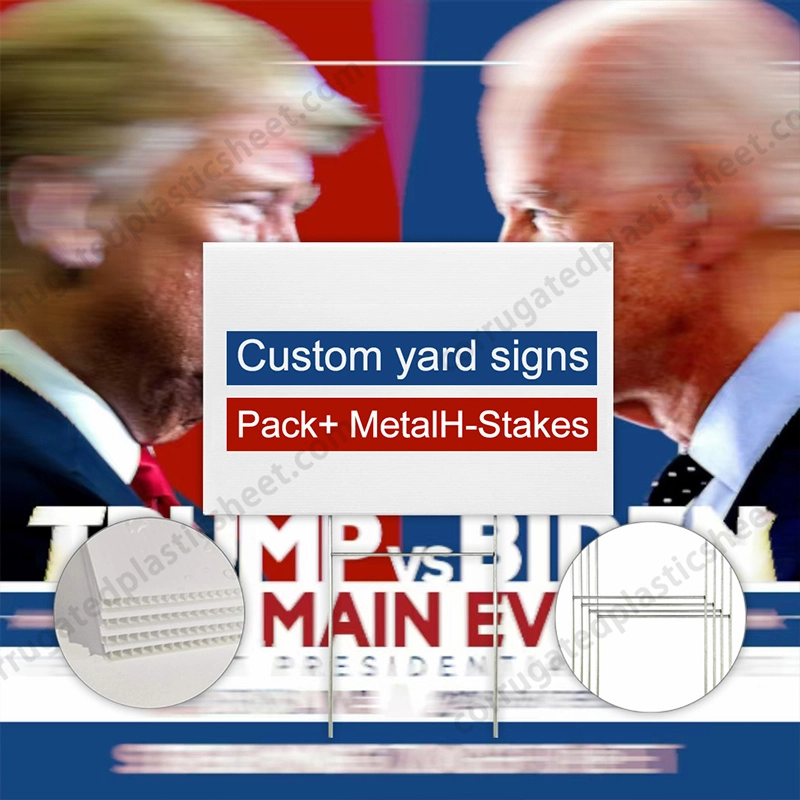
From political campaign signs to real estate advertisements, this material is a favorite in the signage industry. Its weather-resistant properties and lightweight structure make it perfect for outdoor displays.
2. Packaging and Shipping
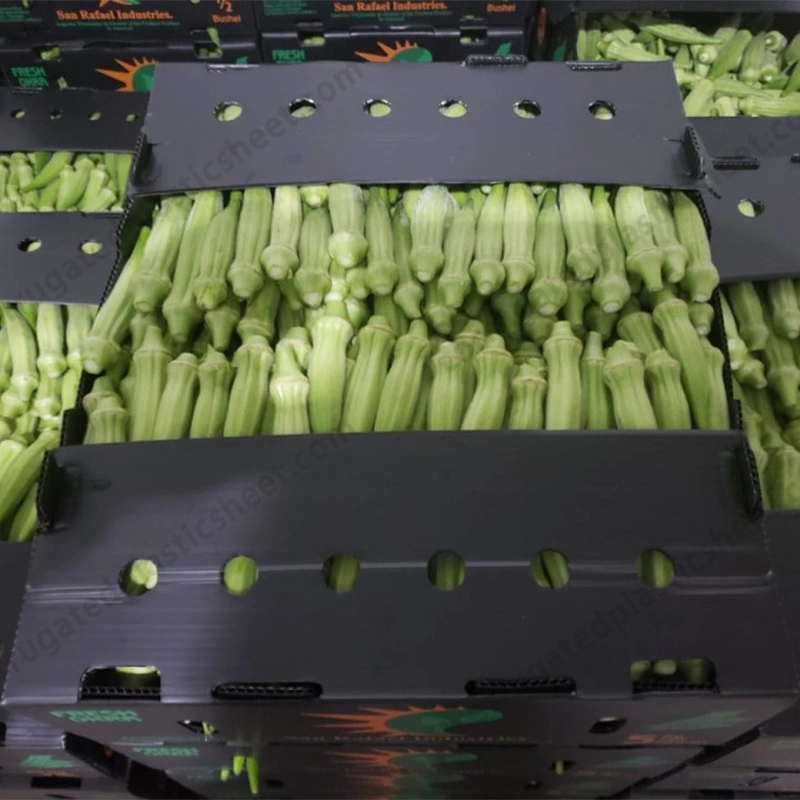
It’s often used to create reusable shipping boxes, protective inserts, and storage containers. Its durability ensures that items stay safe during transit.
3. Construction and Renovation
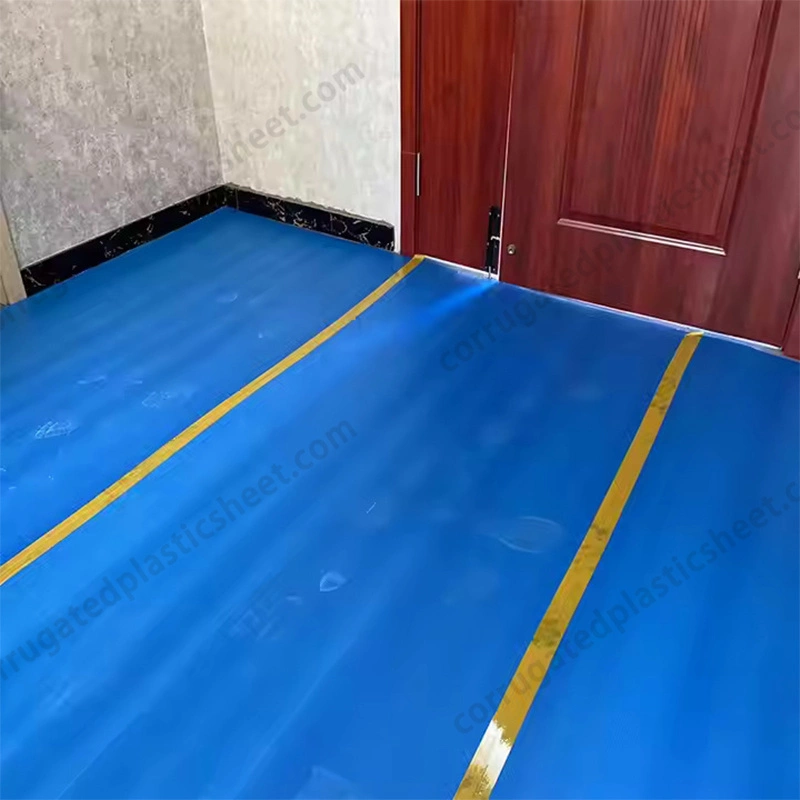
In construction, it’s commonly used to protect floors, walls, and surfaces during renovations. It can also serve as a temporary barrier or insulation material.
4. DIY Projects and Crafts
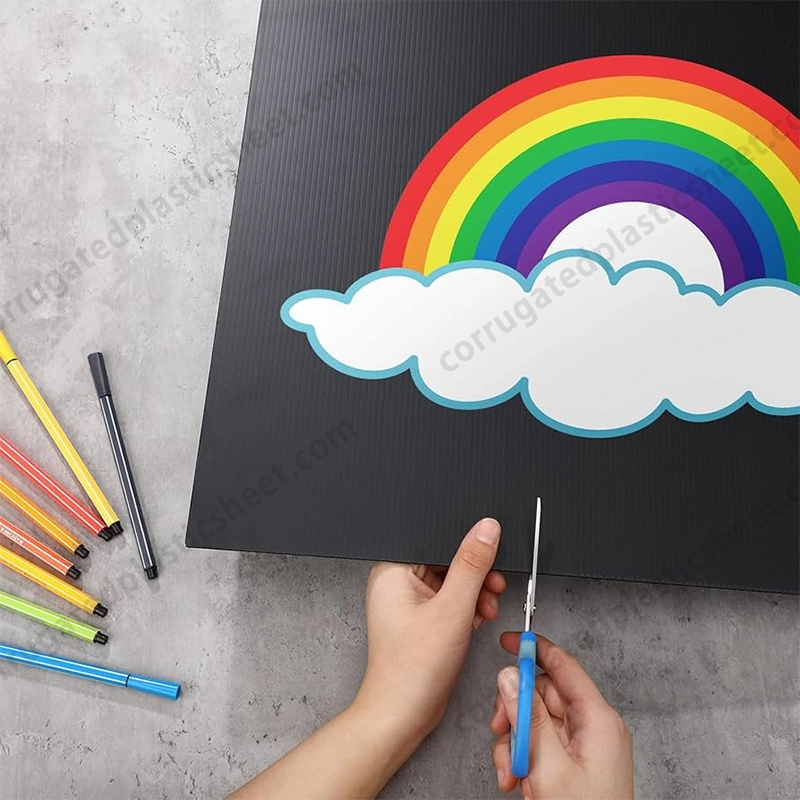
For hobbyists and DIY enthusiasts, this material is a dream. It’s easy to cut, shape, and customize, making it ideal for creating decorations, models, or organizational tools.
Conclusion
This material is more than just a product—it’s a versatile solution for countless needs. Its lightweight yet durable nature, combined with weather resistance and eco-friendliness, makes it a go-to choice for industries and individuals alike. Whether you’re designing a sign, shipping products, or tackling a creative project, it offers the perfect balance of practicality and performance.So next time you see a sturdy outdoor sign or a reusable storage box, you’ll know the secret behind its strength: this amazing material.
If you’re still looking for high-quality corrugated plastic solutions, Nadel specializes in delivering durable, versatile, and eco-friendly products tailored to your needs. You can click the button link below to contact us!
